
Roles of Flowers in Your Wedding Ceremony: Symbolism & Significance
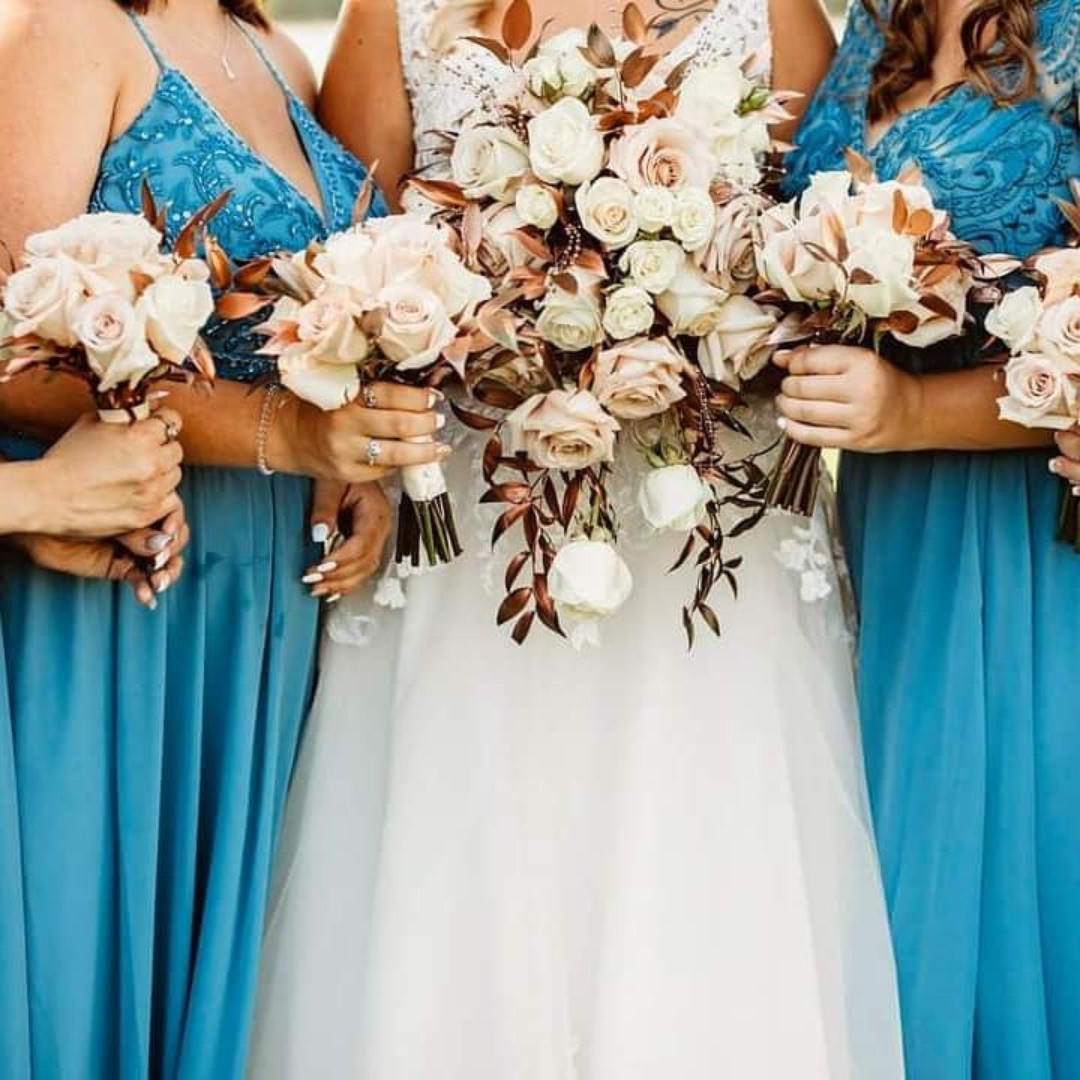
Flowers have played a significant role in weddings for centuries, adding beauty, fragrance, and symbolism to the celebration of love. Beyond their visual appeal, flowers carry special meanings and significance that can enhance the sentiment of your wedding day.
In this article, we'll explore "The Role of Flowers in Your Wedding Ceremony" and delve into the symbolism and significance they bring to this cherished occasion.
1. Love and Romance:
Flowers have long been associated with love and romance, making them a natural choice for weddings. They symbolize the love that you and your partner share, as well as the commitment to a lifetime of romance. The exchange of flowers during the ceremony represents the gift of love between the couple.
2. Unity and Growth:
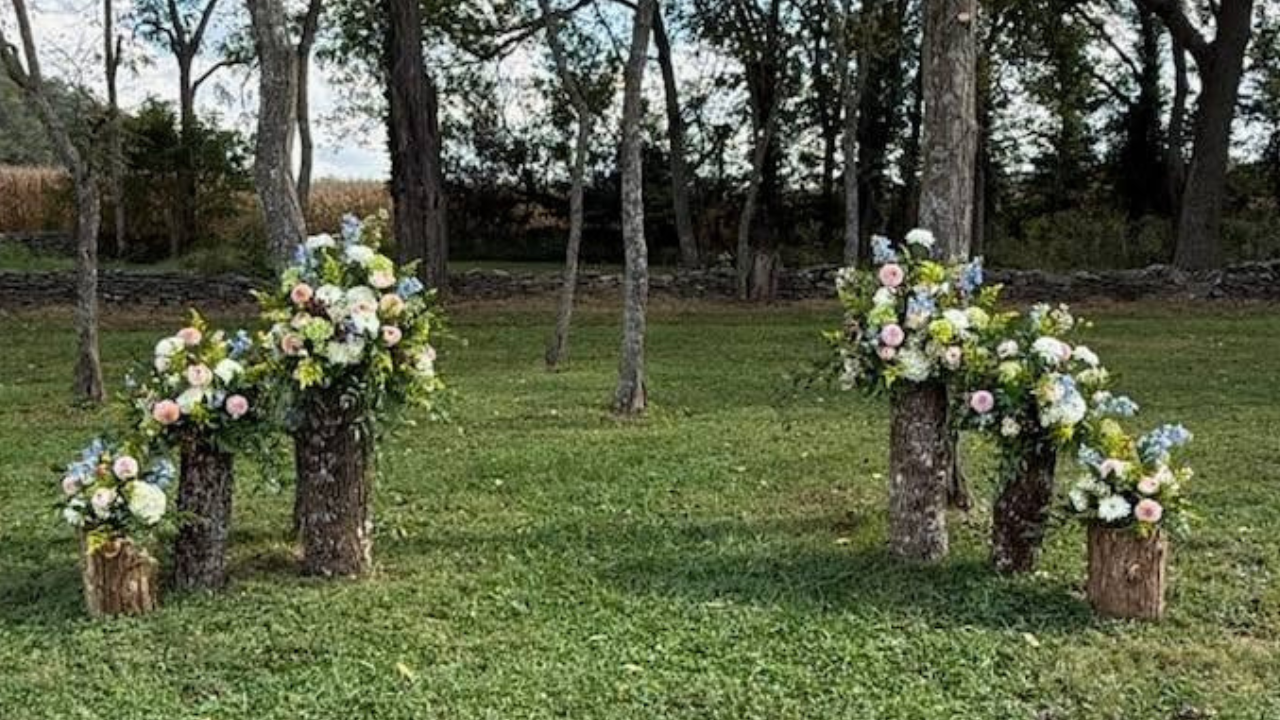
The act of planting a unity tree or a unity plant during the wedding ceremony is a beautiful way to symbolize the growth of your love and your life together. The tree or plant represents the roots you are putting down as a couple and the life you are nurturing.
3. Fertility and Prosperity:
In many cultures, flowers have been associated with fertility and the promise of a prosperous future. Incorporating fertility symbols like wheat, lavender, or daisies into your floral arrangements can represent the hope for a fruitful and abundant marriage.
4. Purity and New Beginnings:
White flowers, particularly white roses and lilies, symbolize purity and new beginnings. They represent the clean slate of marriage and the start of a fresh chapter in your lives together.
5. Everlasting Love:
Eternal flowers like roses and orchids are often used in weddings to symbolize everlasting love. These blooms convey the message that your love will endure through all seasons and the trials of life.
6. Personal Significance:
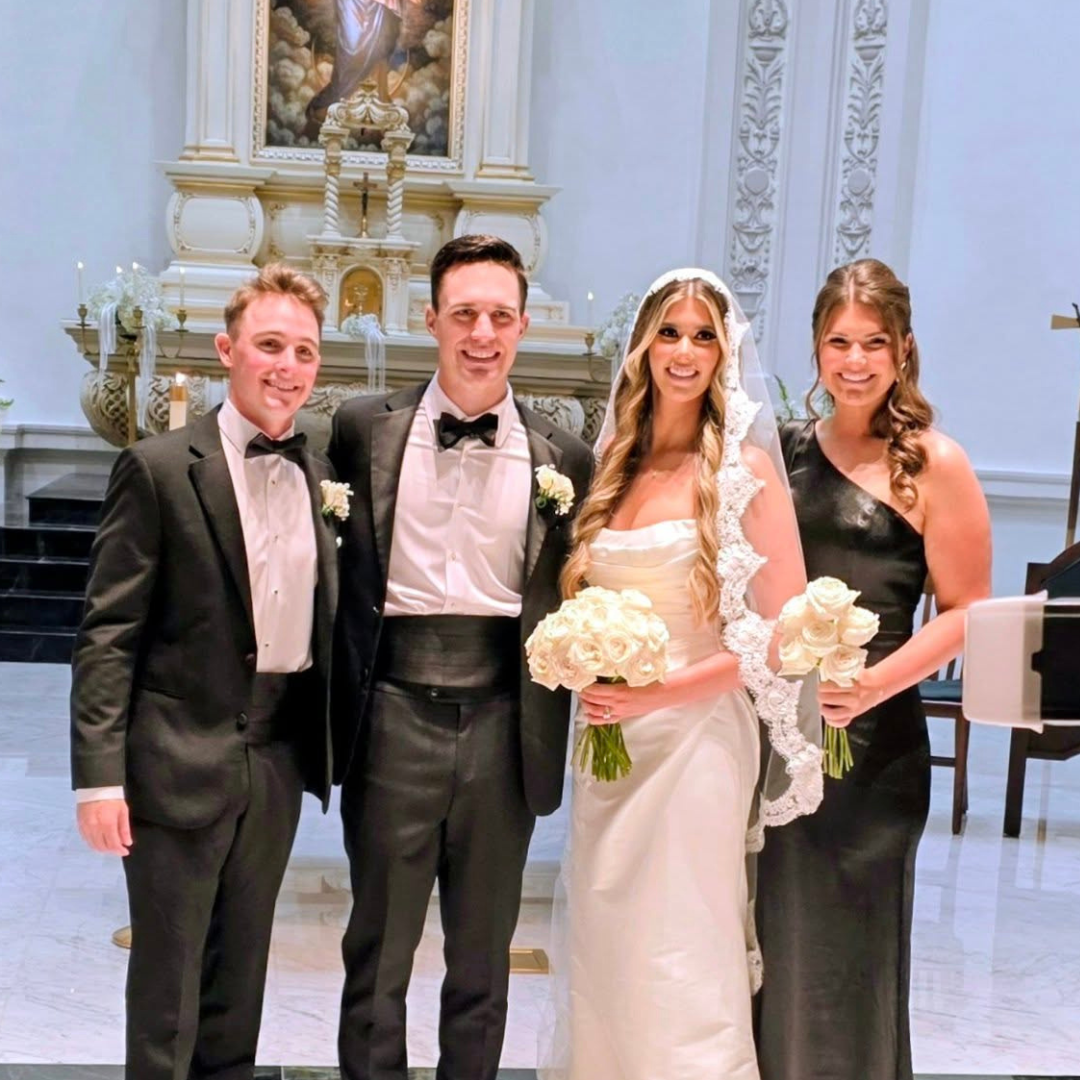
Incorporating specific flowers that hold personal meaning for you and your partner can add a unique and sentimental touch to your ceremony. It might be the flower from your first date, the one your partner proposed with, or a bloom that carries special memories.
7. Cultural Traditions:
Different cultures have their own floral traditions and symbolism in weddings. For example, in Indian weddings, marigolds are considered auspicious, while in Chinese culture, red flowers symbolize happiness and good fortune.
8. Aesthetics and Atmosphere:
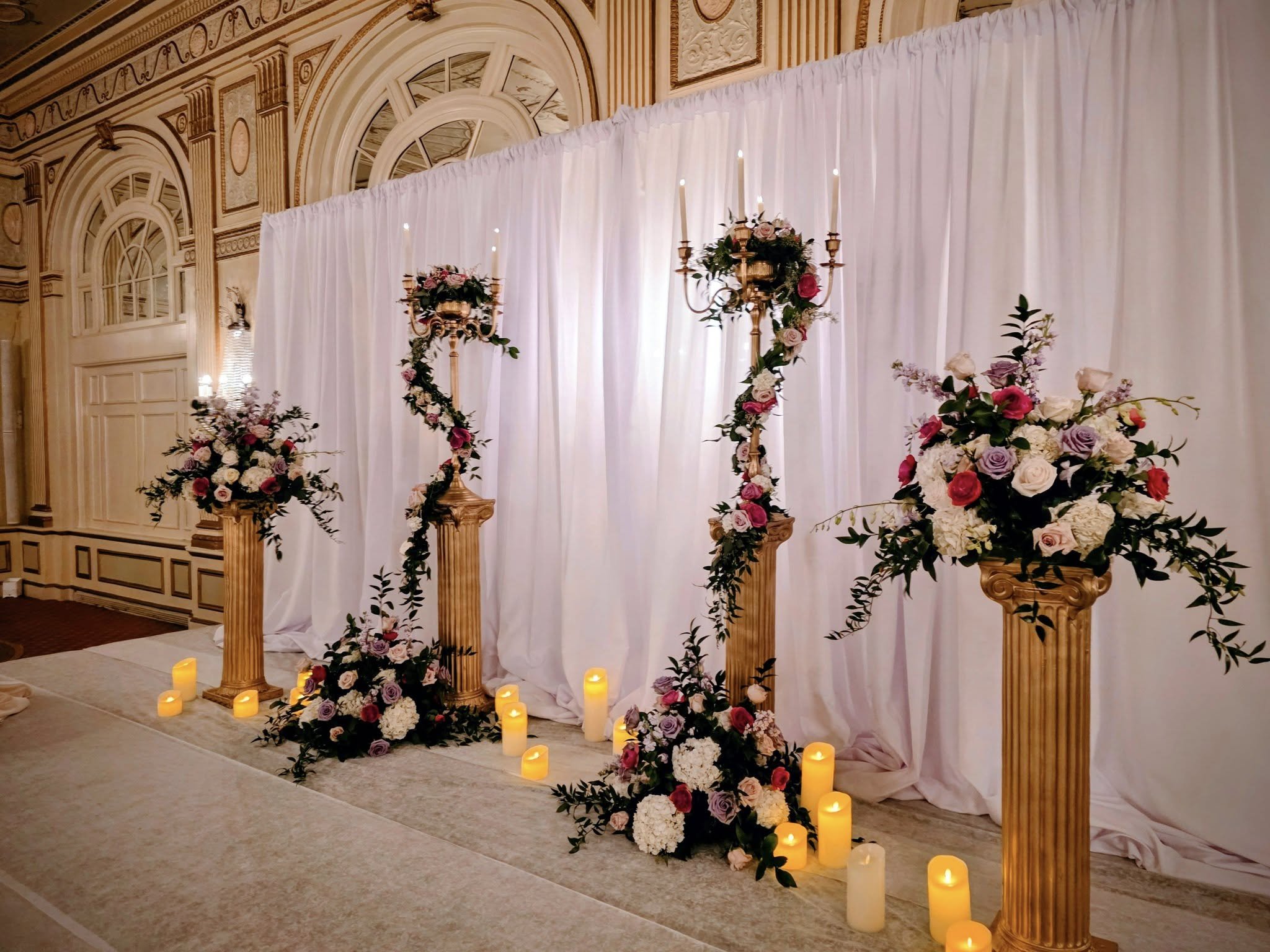
Beyond symbolism, flowers also play a crucial role in setting the atmosphere and aesthetic of your wedding ceremony. They can transform your venue into a romantic garden, a chic modern space, or any style that suits your vision.
Conclusion:
The role of flowers in your wedding ceremony goes far beyond mere decoration. They carry deep symbolism and significance that enhance the beauty and sentiment of your special day. Whether you choose flowers for their traditional meanings or for personal significance, they will undoubtedly add a touch of magic to your wedding celebration.
Ready to discuss floral options for your wedding? Schedule a Free Consultation with Michael Gaddie at Lloyd's Florist