
The Ultimate Wedding Flower Checklist: A Step-by-Step Guide
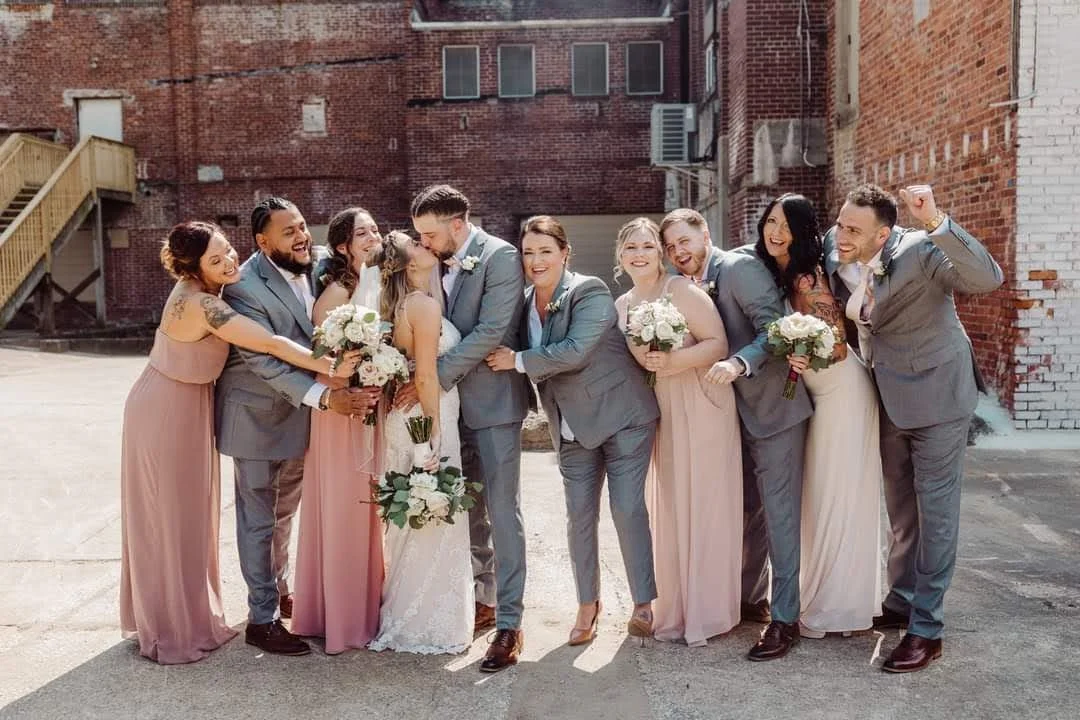
Flowers play a significant role in setting the tone and enhancing the beauty of your wedding day. From the bridal bouquet to the ceremony decor and reception centerpieces, choosing the right floral arrangements requires careful planning and attention to detail. To help you navigate the world of wedding flowers, we've created the ultimate step-by-step guide to ensure that no floral element is overlooked on your big day.
1. Establish Your Budget:
The first step in your wedding flower journey is to determine your budget. Decide how much you are willing to allocate to floral arrangements. This will guide your choices and help you prioritize where to allocate your funds.
2. Define Your Wedding Style:
Consider the overall style and theme of your wedding. Are you going for a rustic, modern, classic, or bohemian vibe? Understanding your wedding style will guide your flower choices, from the type of blooms to the color palette and design elements.
3. Consult with a Florist:
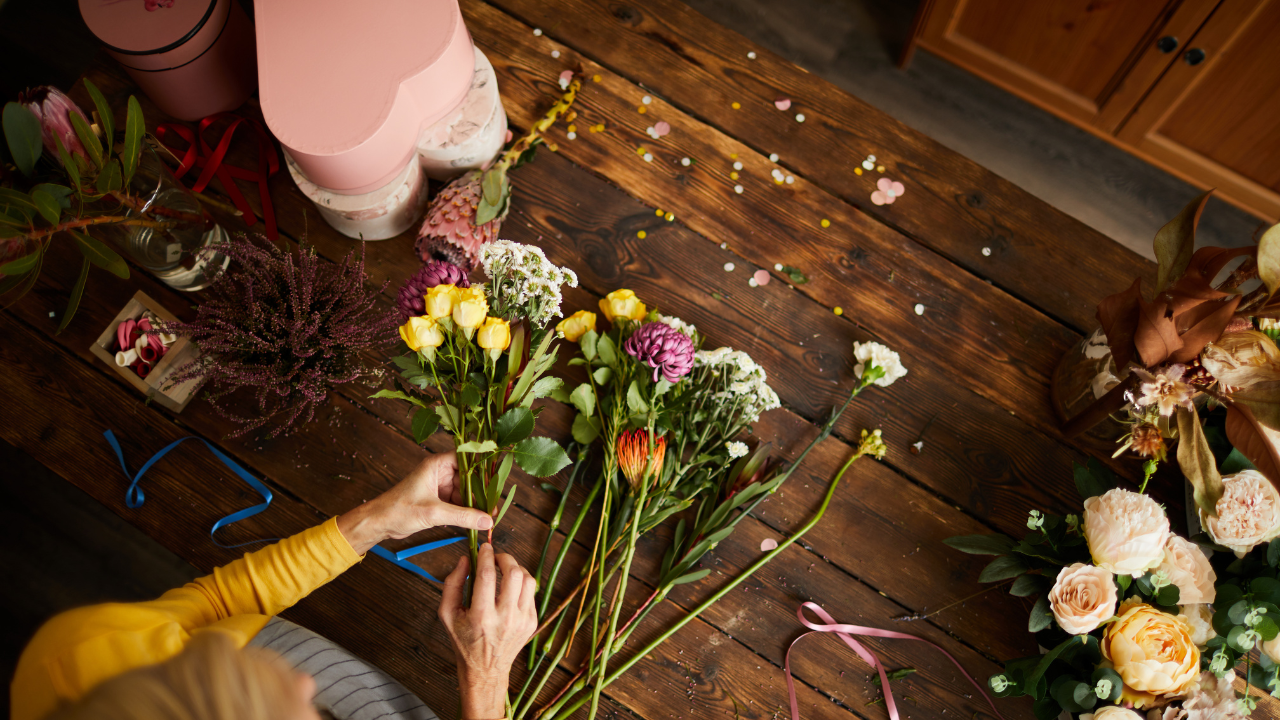
Find a reputable florist who specializes in weddings. Schedule a consultation to discuss your vision, budget, and preferences. A professional florist can provide valuable insights and recommendations based on their expertise.
4. Create a Floral Mood Board:
Gather inspiration from wedding magazines, Pinterest, and other sources to create a mood board that reflects your floral vision. Share this with your florist to ensure they understand your desired aesthetic.
5. Choose Your Bridal Bouquet:
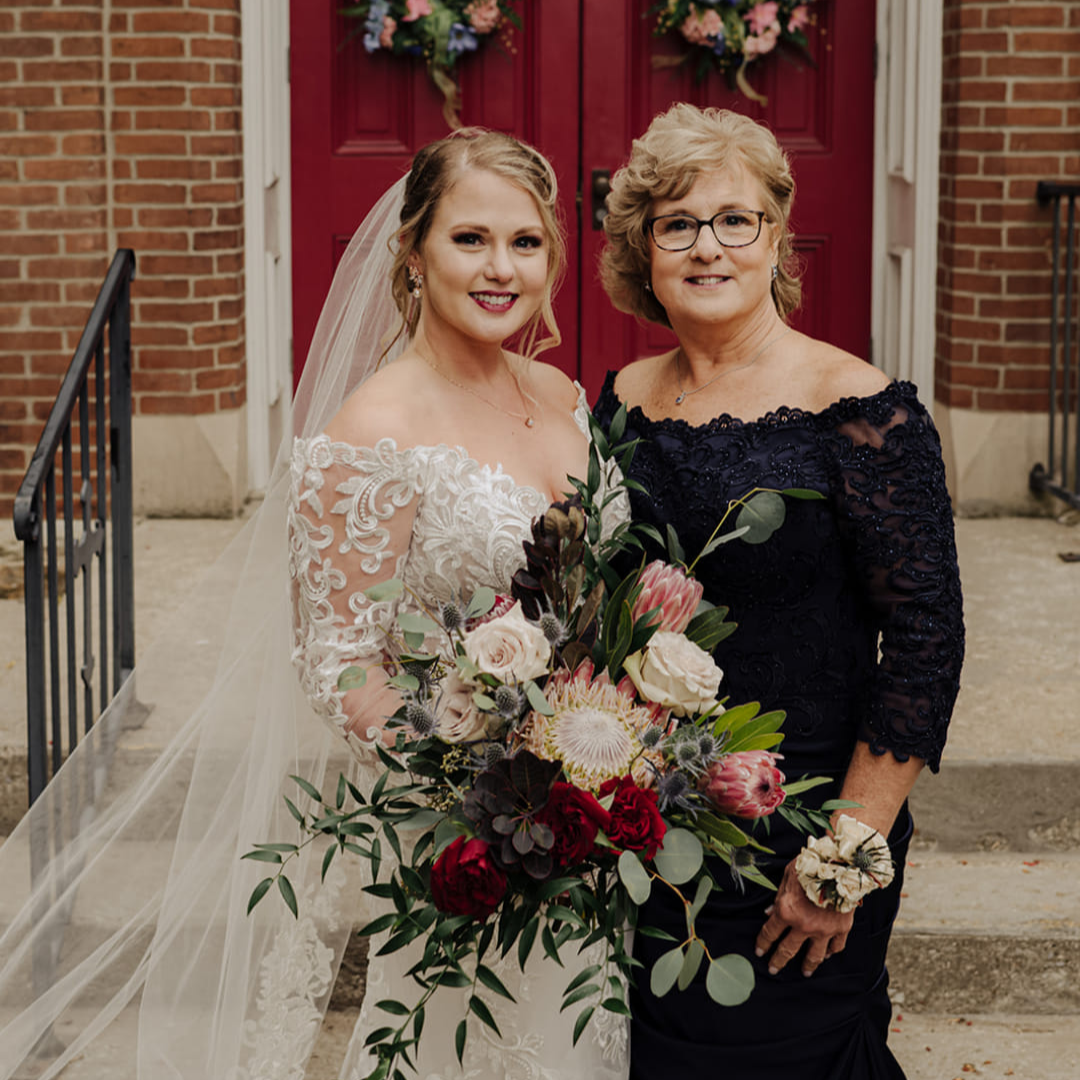
Select the flowers and design for your bridal bouquet. Consider the season, color scheme, and personal preferences. Your bouquet should complement your gown and reflect your style.
6. Bridesmaids' Bouquets:
Discuss the design and flower choices for the bridesmaids' bouquets. Coordinate them with your bridal bouquet while considering the bridesmaids' dresses and personal tastes.
7. Boutonnieres and Corsages:
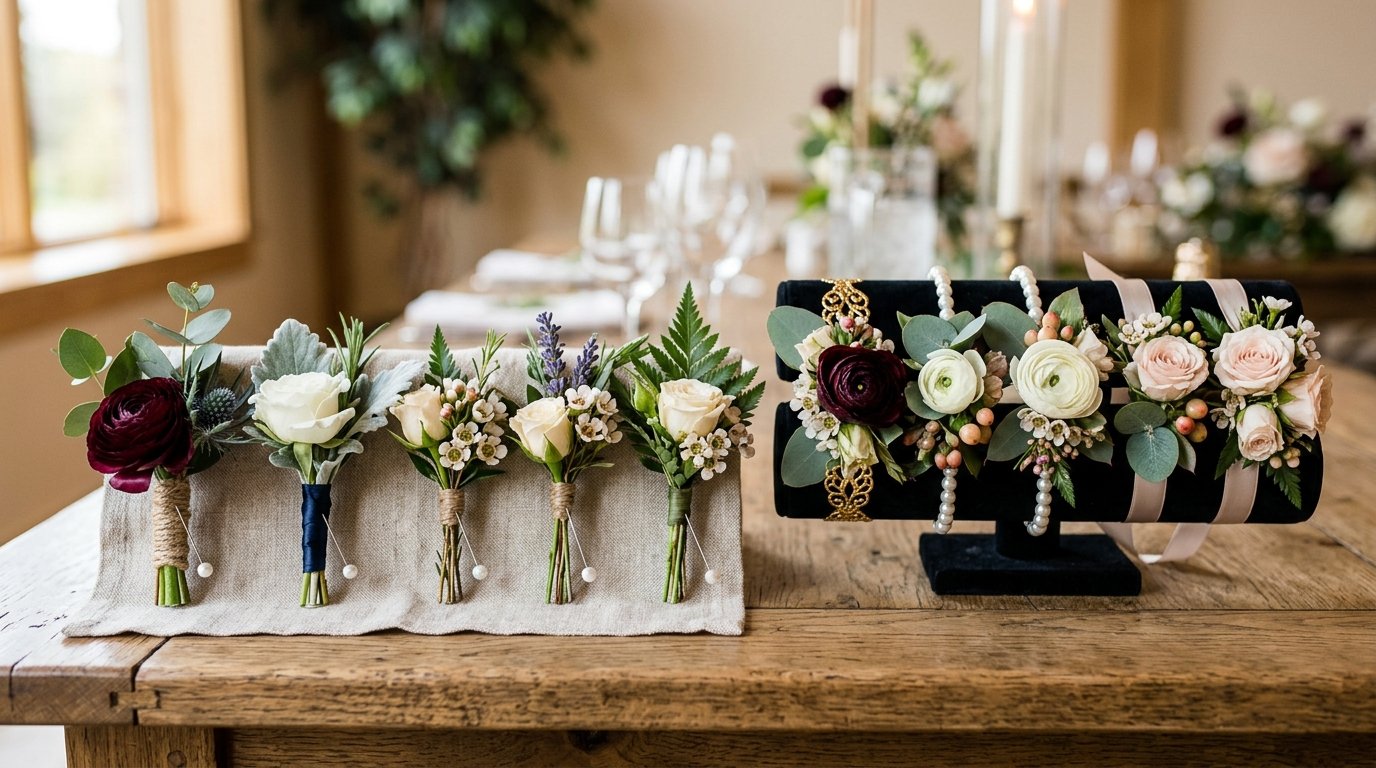
Decide on boutonnieres for the groom, groomsmen, and corsages for the mothers and grandmothers. These small but significant details should harmonize with the overall floral theme.
8. Ceremony Flowers:
Plan floral arrangements for the ceremony site, including altar or arch decorations, pew or chair arrangements, and any other floral accents. Ensure they align with your wedding style and venue.
9. Reception Centerpieces:
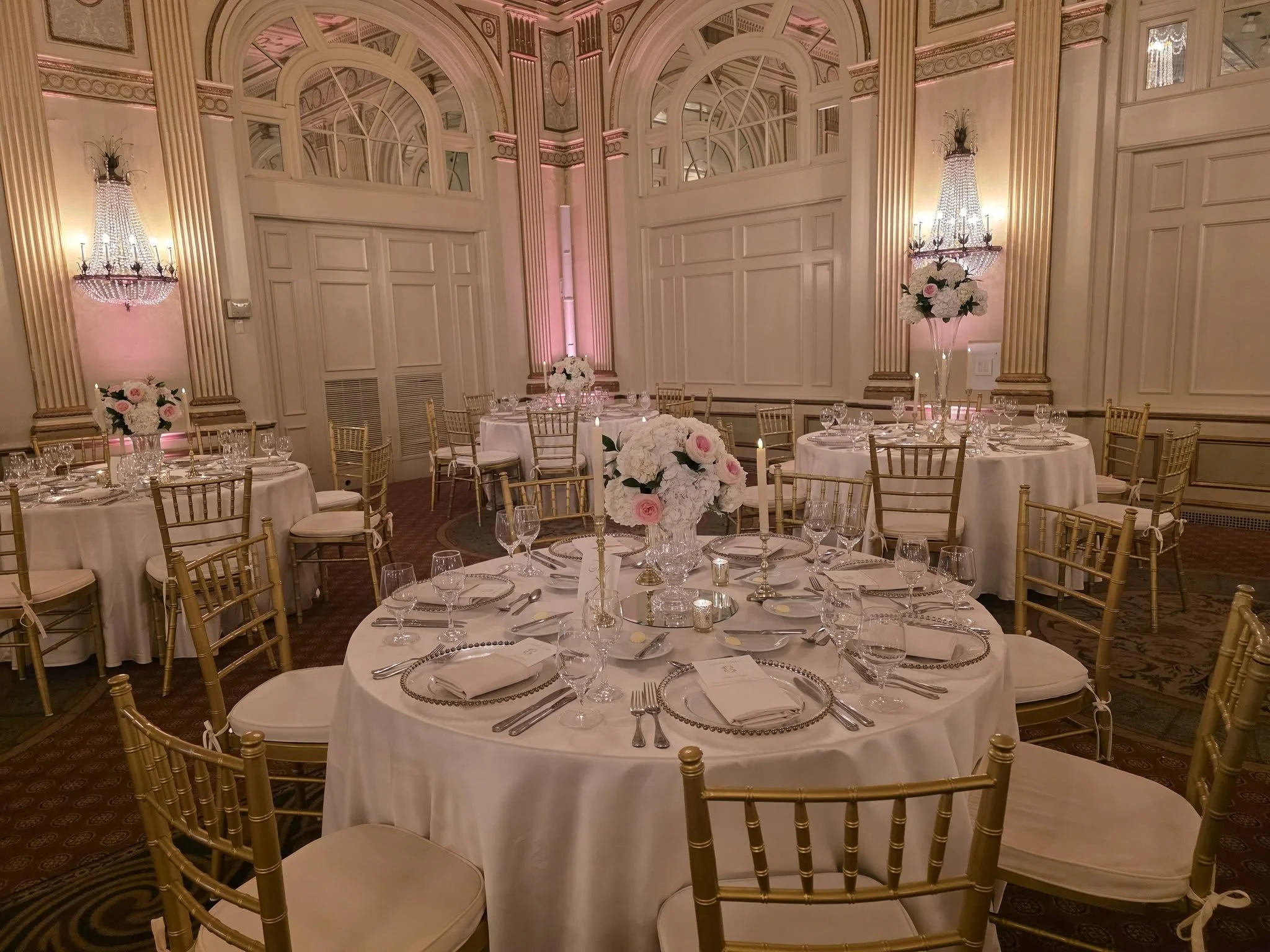
Select the design and size of reception centerpieces. Consider the size and layout of your reception tables, as well as any additional decor elements, such as candles or table runners.
10. Additional Decor:
Think about any additional floral decor you'd like to include, such as flower walls, floral chandeliers, or hanging installations. Discuss these ideas with your florist to ensure they can be executed within your budget.
11. Ceremony to Reception Transition:
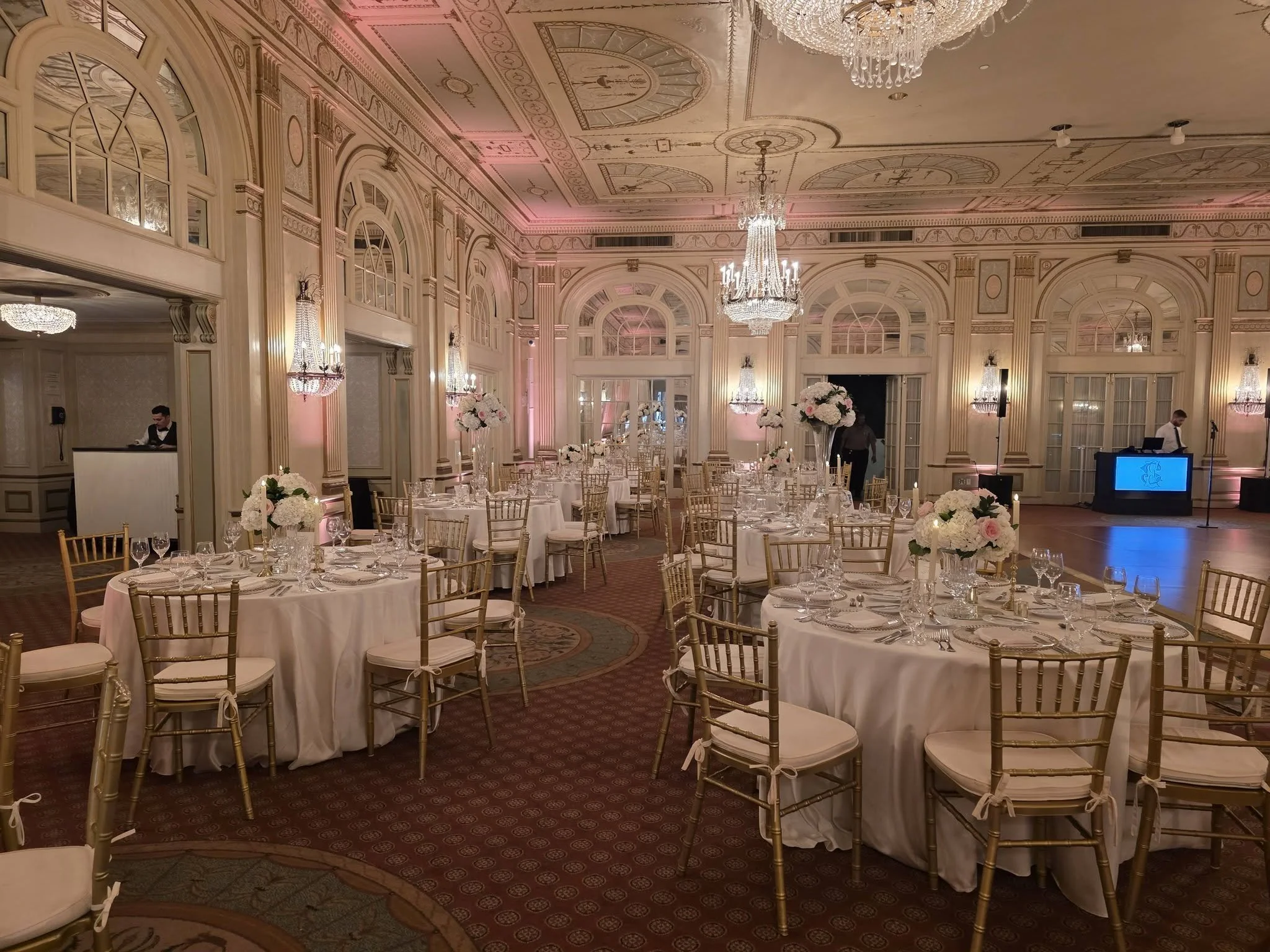
Plan how to repurpose ceremony flowers for the reception to maximize your budget. For example, aisle arrangements can become centerpiece decor, and altar arrangements can adorn the head table.
12. Delivery and Setup:
Confirm delivery and setup details with your florist. Ensure that the flowers will arrive on time and be arranged as agreed upon. Provide clear instructions for placement.
13. Final Checklist and Timeline:
Create a final checklist and timeline for all floral elements on your wedding day. Include details like when the bouquets and boutonnieres should be delivered, when the ceremony and reception decor will be set up, and any specific instructions for your florist.
Conclusion:
With this comprehensive wedding flower checklist, you'll be well-prepared to plan the floral arrangements for your big day. Collaborating with a professional florist and staying organized throughout the process will ensure that your wedding flowers are a beautiful reflection of your love and style.
Ready to discuss floral options for your wedding? Schedule a Free Consultation with Michael Gaddie at Lloyd's Florist