
Wedding Color Palettes and Floral Design: Creating Harmony
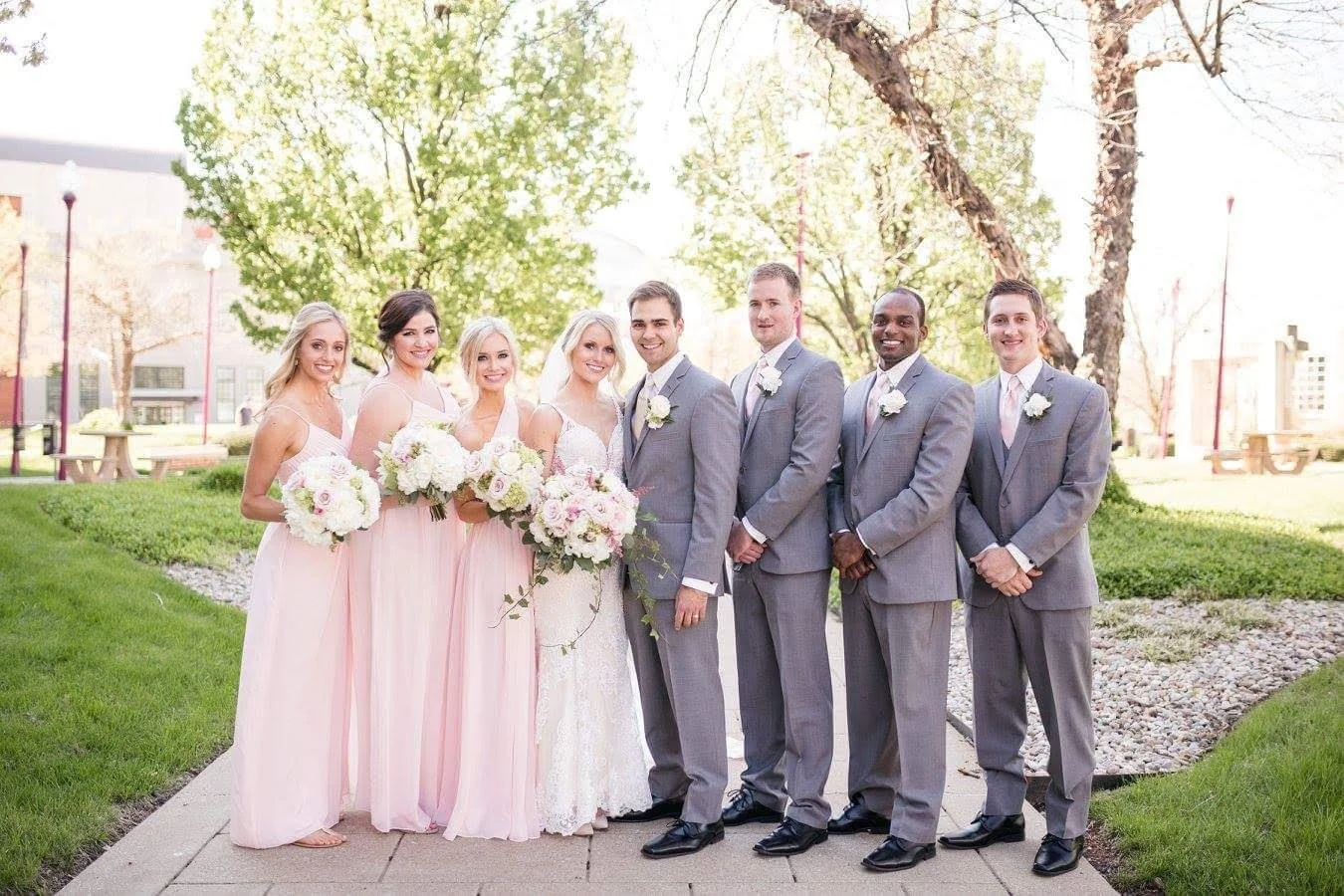
Your wedding day is a masterpiece in the making, and every detail contributes to the overall picture of your love story. One of the most significant aspects of wedding planning is selecting a color palette that resonates with your vision and personality. Your chosen colors will permeate every element of your wedding, and one of the key areas where these hues can shine is in your floral design.
In this blog post, we'll explore the art of harmonizing wedding color palettes with floral design to create a cohesive and visually stunning celebration.
1. Begin with Your Wedding Theme
Before diving into the world of colors and flowers, start by establishing a clear wedding theme. Are you envisioning a romantic garden affair, a vintage-inspired celebration, a rustic outdoor gathering, or something entirely unique? Your theme will serve as a guiding light in choosing the right color palette and floral design elements.
2. Reflect on the Season
Consider the season in which your wedding will take place. Different seasons naturally lend themselves to specific color schemes and flower availability. Spring weddings often feature pastels and vibrant hues, while fall weddings embrace rich, earthy tones. Summer may evoke thoughts of bright and cheerful colors, and winter weddings tend to favor elegant and muted shades.
3. The Power of Mood Boards
Creating a mood board is a helpful tool in visualizing your color palette and floral design. Gather images, swatches, and inspiration from magazines, Pinterest, or other sources to see how different colors and flowers work together. This can be a fantastic starting point for discussions with your florist.
4. Balance Boldness and Neutrals
A balanced color palette typically includes a mix of bold and neutral tones. For example, if you're drawn to vibrant jewel tones, consider pairing them with neutral hues like ivory, gray, or greenery. This balance creates visual interest without overwhelming the senses.
5. Match Flowers to Your Palette
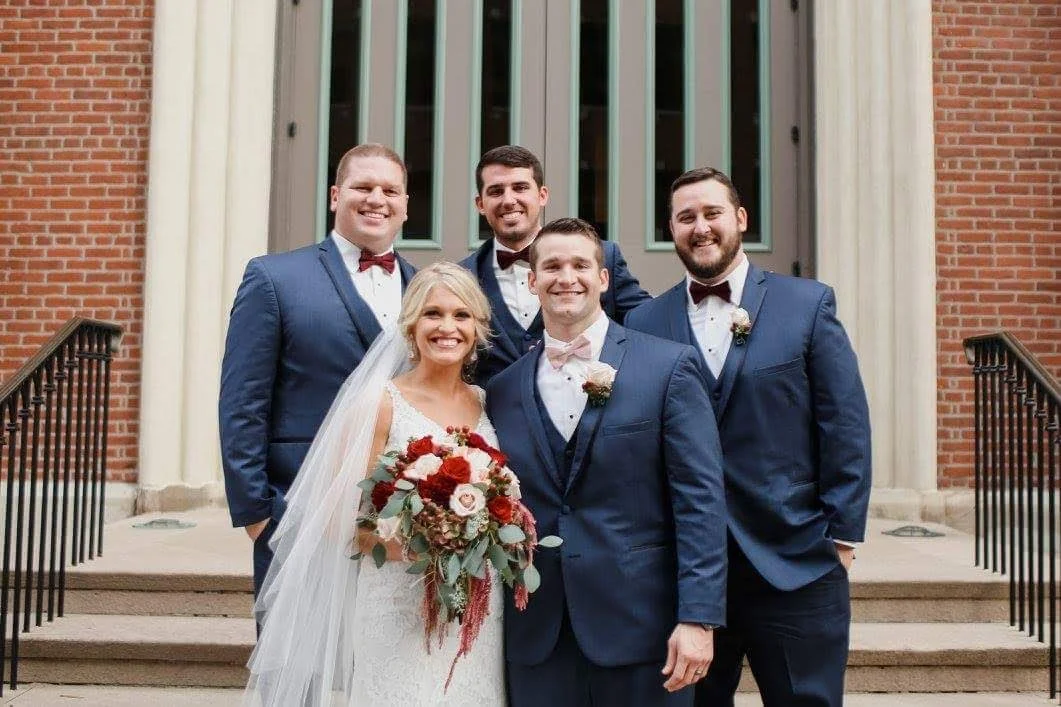
Once you've established your color palette, it's time to select flowers that complement and enhance your chosen hues. Some flowers come in a wide range of colors, making it easier to match your palette precisely. Roses, for instance, are available in numerous shades, from deep red to pale blush.
6. Create Depth with Textures
Don't limit your floral design to a single flower type. Adding different textures and shapes to your arrangements can create depth and visual interest. Combine soft, delicate blooms with more substantial, lush flowers to achieve a harmonious balance.
7. Focus on Flower Pairings
Certain flower pairings work exceptionally well together, both in terms of color and style. For example, pairing blue hydrangeas with white roses creates a classic and timeless look, while succulents and eucalyptus leaves can lend a modern and rustic touch to your arrangements.
8. The Role of Foliage
Foliage can play a pivotal role in your floral design. It can act as a neutral backdrop to let your chosen colors shine or add depth and texture to your arrangements. Lush greenery, such as eucalyptus or ferns, can be woven throughout your florals to create a natural and organic feel.
9. Think Beyond Flowers
Floral design isn't limited to flowers alone. Consider incorporating other natural elements like berries, branches, or even feathers to enhance your floral arrangements. These additions can add a unique and personal touch to your decor.
10. Don't Overlook the Venue
Your chosen wedding venue can greatly influence your floral design. Consider how your selected color palette and floral choices will harmonize with the venue's existing decor and surroundings. A garden setting may lend itself to a profusion of flowers, while an industrial space may benefit from minimalist arrangements.
11. Consult with a Professional
Navigating the intricacies of wedding color palettes and floral design can be challenging, but that's where a professional floral designer like Michael Gaddie at Lloyd's Florist can be invaluable. Michael's expertise can help you translate your vision into reality, ensuring that your color palette and floral choices are in perfect harmony.
12. Personalize with Meaningful Blooms
Consider incorporating meaningful flowers into your arrangements. Perhaps there's a flower that holds sentimental value to you and your partner, or one that carries cultural significance. Including these blooms can add depth and personalization to your wedding florals.
Your wedding color palette and floral design are integral to creating the perfect atmosphere for your special day. By carefully selecting colors that resonate with your theme and choosing flowers that complement these hues, you can achieve a harmonious and visually stunning celebration. With the guidance of an experienced floral designer like Michael Gaddie, you can bring your vision to life, creating a cohesive and beautiful masterpiece that tells the story of your love.
Ready to explore wedding color palettes and floral design? Schedule a Free Consultation with Michael Gaddie at Lloyd's Florist today, and let us help you create the perfect floral arrangements that harmonize with your chosen colors, theme, and style. Your wedding day is a canvas waiting to be painted with your unique love story, and we're here to help you create a masterpiece.